




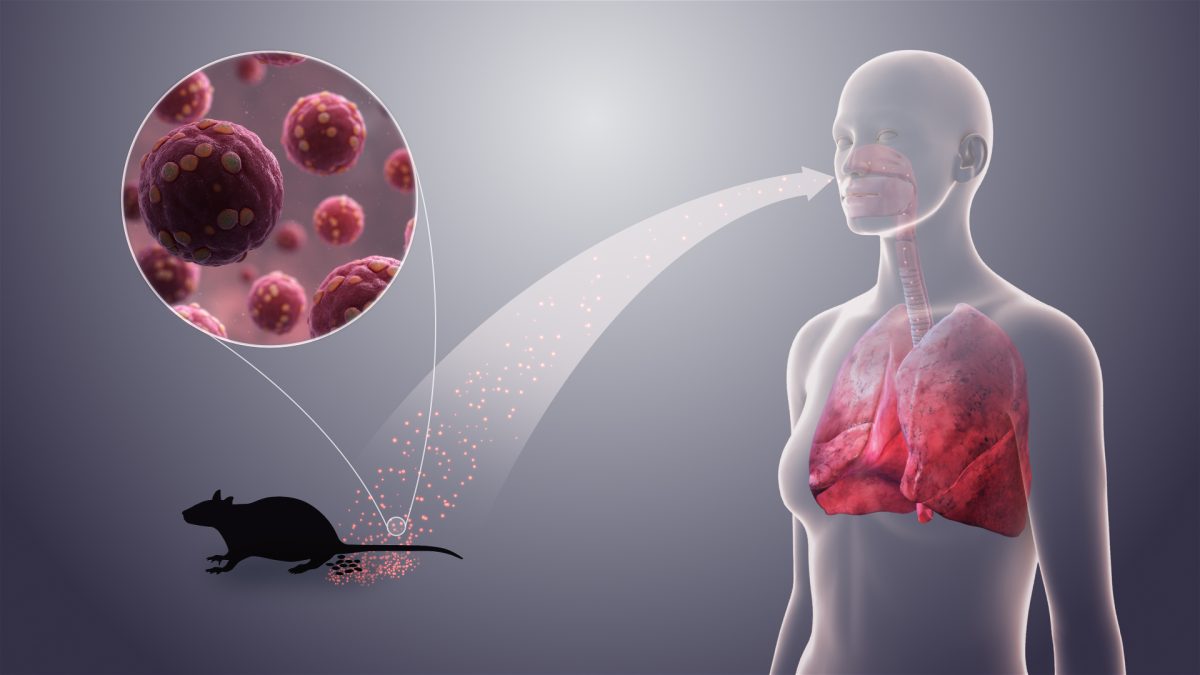
























Hantavirus is a fatal family of several viruses spread by rodents. Humans can contract it by breathing in dust contaminated by these rodents’ feces, saliva or urine. It has a high fatality rate, 40% roughly estimated. To put this in basketball terms, Stephen Curry has logged 13 different seasons of 40% shooting, one of the greatest shooters in the world. Stephen Curry in 2012 averaged 45.5% shooting, some of the best shooting ever in the league. That’s what your life depends on, comparatively speaking…contracting the hantavirus with a fatal result is statistically equal to Stephen Curry shooting a three in his prime year.
In the early stage of the virus, the symptoms are similar to the flu and include fever, fatigue, muscle aches, headaches and abdominal issues. As it progresses to the late stage, you get shortness of breath, chest tightness and the hantavirus fills the lungs with fluid, similarly to the Black Plague.
Humans catch the hantavirus by breathing in tiny dust particles that contain the waste, spit, or pee of infected rodents. People can also get sick by touching contaminated surfaces and then touching their faces, or from a rare rodent bite. Also a good thing to know to protect yourself is to wash your hands every time you touch something dirty. Always sanitize.
Hantavirus is something that you should worry very little about, according to experts. Even the Andes strain, which can spread from human to human, is only obtainable through close contact.
A recent spread of hantavirus began in early April and is still a worldwide problem in today’s world. It was first reported by news sources and spread through social media, becoming a very viral sensation.
The most recent outbreak reportedly began when an older couple was visiting South America and went to bird watch, then boarded the cruise ship called the MV Hondius. Both the husband and wife became ill and passed away, as additional passengers and crew members of the ship began to fall ill with similar symptoms. One additional death was reported as a result of the virus. Critically ill passengers were evacuated to seek medical care, with the remaining passengers staying onboard for several weeks. After disembarkation, passengers were evaluated and quarantined or monitored in their home countries.