



























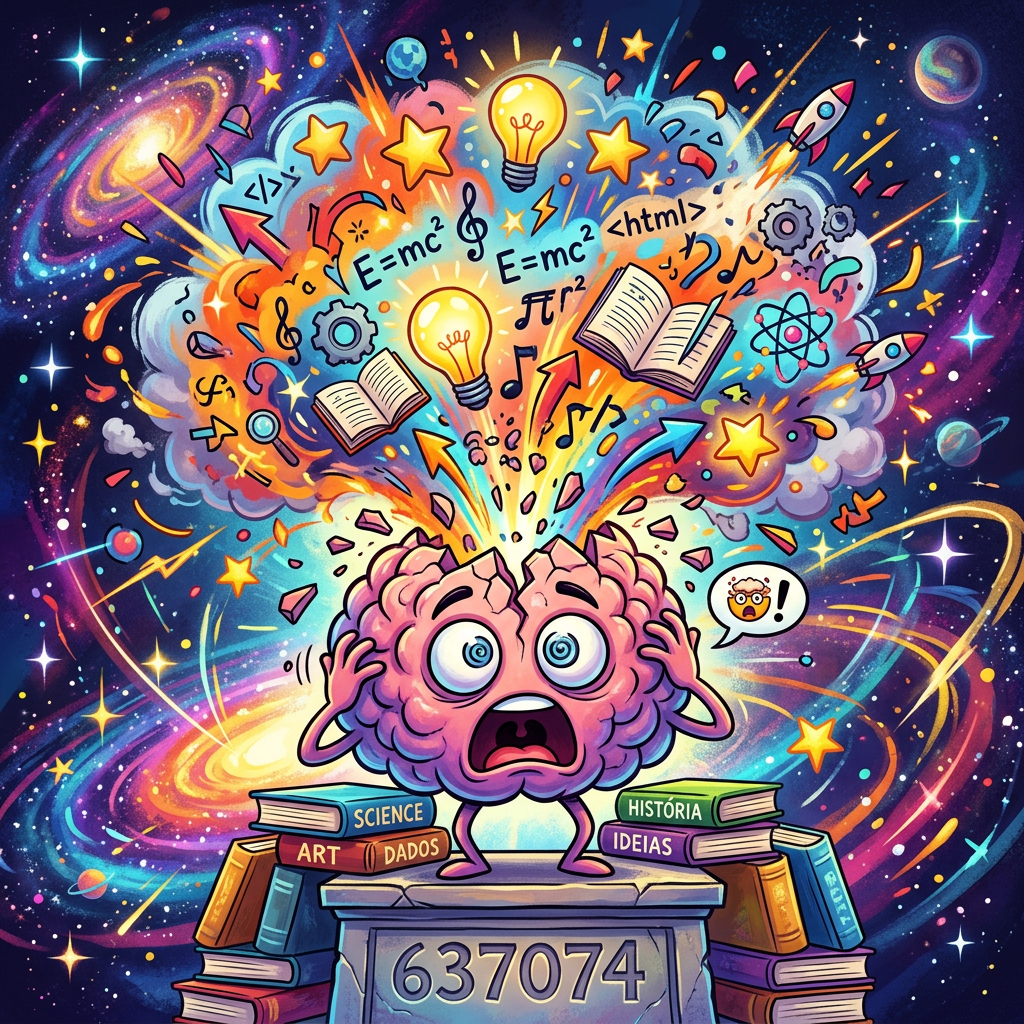
Anxiety or stress can happen to anyone: a kid, sibling, guardian, or a teacher. It can happen anywhere: in school, home, or any place you go. It can happen any time.
For some people anxiety can happen when they overthink too much or when they are nervous. Anxiety disorders are the world’s most common mental disorders, affecting 359 million people as of 2021. How well do you know anxiety and stress?
Stress
Stress can seem a lot like anxiety, but they’re not actually the same thing. They’re both emotional reactions, but stress usually comes from something specific happening around you. It might be a quick situation, like a deadline or an argument, or something that drags on, like struggling with school or work, It can also be caused by people treating you differently because of how you look, or dealing with health issues that keep coming back.
When someone’s stressed, it can show up in their mind and body. They might feel irritated, angry, worn out, sore, have stomach problems, or find it hard to fall asleep.
Stress and anxiety can both hit hard and make your emotions feel way more intense. Stress is basically your body’s automatic reaction when something feels demanding or overwhelming. It kicks off physical and emotional changes, including releasing hormones like adrenaline and cortisol.
Stress is something everyone’s body goes through. We’re actually built to feel stress and react to it. Sometimes it can even be a good thing. It keeps you alert, pushes you to stay focused, and helps you respond if something dangerous or important comes up. For example, if you have a test coming up, stress might kick in and motivate you to study harder or stay awake longer so you can get things done.
Fellow student, Cynthia S, says, “Stress can sometimes be a bad feeling and sometimes people find comfort in it.”
Types of stress
Acute stress is short‑term stress that shows up quickly and fades just as fast. It can feel positive or negative depending on the situation. It’s that rush you get on a rollercoaster or the tension you feel during an argument with someone. Everyone deals with acute stress at some point in their life.
Episodic stress happens when you deal with short bursts of stress over and over again. With this type of stress, you barely get a chance to relax or feel calm because something stressful keeps popping up. People in certain jobs, like healthcare workers, often experience episodic stress because their work is constantly demanding.
Chronic stress is long‑term stress that sticks around for weeks or even months. It can come from things like problems in a relationship, issues at work, or ongoing money struggles. Because it lasts so long, it’s important to find healthy ways to cope with chronic stress; if it builds up, it can lead to serious health problems over time.
Mrs. Cason, a sixth grade teacher at FMS, says, “If you don’t know how to deal with day-to-day stress, then potentially you can have issues with anxiety later.”
Anxiety
Anxiety, on the other hand, is when worries stick around and feel overwhelming, even when nothing specific is causing them. Unlike stress, which usually comes from an outside trigger, anxiety can linger on its own. It shares a lot of the same symptoms as stress, like trouble sleeping, difficulty focusing, fatigue, muscle tension, and irritability.
Anxiety is also a very common feeling. It often shows up as intense fear, dread, or nervousness that goes beyond normal stress and starts to interfere with daily life. It can also cause physical reactions like a fast heartbeat, sweating, or feeling restless.
Types of Anxiety
There are 7 main types of anxiety.
Generalized Anxiety Disorder (GAD)
People with GAD worry a lot about everyday things: health, work, school, social situations, or even normal daily routines. The worry is usually much bigger than the situation itself and can get in the way of daily life.
Panic Disorder
Panic Disorder involves repeated, unexpected panic attacks. A panic attack is a sudden wave of intense fear that hits quickly and peaks within minutes. It can feel overwhelming and come out of nowhere.
Social Anxiety Disorder
Social Anxiety Disorder, also called social phobia, is when someone feels extremely nervous or scared of being judged, embarrassed, or humiliated by others. Social situations can feel really intimidating.
Specific Phobias
Specific phobias are strong, irrational fears of certain objects or situations. Some common ones include, fear of heights (acrophobia), fear of flying (aviophobia), fear of spiders (arachnophobia), or fear of tight or enclosed spaces (claustrophobia). These fears can cause intense anxiety even when the situation isn’t actually dangerous.
Separation Anxiety Disorder
Even though it’s often linked to kids, adults can experience it too. It involves extreme fear or anxiety about being away from someone you’re deeply attached to.
Obsessive‑Compulsive Disorder (OCD)
OCD involves unwanted, repetitive thoughts (obsessions) and/or behaviors (compulsions). People often repeat certain actions to try to ease the anxiety caused by their thoughts, even if it only helps temporarily.
Post‑Traumatic Stress Disorder (PTSD)
PTSD can develop after someone goes through a traumatic event, like a natural disaster, a serious accident, war, violence, or any deeply frightening experience. It can cause long‑lasting emotional and physical reaction.
More about Anxiety
Anxiety can happen to anyone. It doesn’t matter if they are always happy or if they are quiet.
The brain plays a big role in anxiety. Research shows that anxiety is connected to the limbic system (the part of the brain that handles emotions). This includes areas like the hippocampus, amygdala, hypothalamus, and thalamus. For people with anxiety disorders, these regions can become extra sensitive or easily triggered.
When you’re stressed or anxious, chemicals like cortisol, norepinephrine, and adrenaline get released in the brain. These are the same chemicals involved in the body’s stress response.
Anxiety can basically act like a fear response that’s gone off track. The amygdala and other parts of the limbic system can become overactive, making someone feel intense anxiety even when there’s no real danger.
Specific phobias are actually the most common anxiety disorder, with about 12.1% of people experiencing them in a given year. The next most common is social anxiety disorder, which affects around 7.4% of people yearly. On the other end, agoraphobia is the least common, with a 12‑month rate of about 2.5%.
Anxiety disorders overall tend to show up more often in females than males, with roughly a 2 to 1 ratio.
Only about 1 in 4 people with an anxiety disorder actually get treatment for it. Anyone can develop an anxiety disorder, but people who’ve gone through abuse, major losses, or other really difficult experiences are at a higher risk.
The exact causes of anxiety disorders aren’t fully understood. For many people, stressful or traumatic events can trigger anxiety, especially if they’re already more prone to it. Genetics can also play a role, meaning anxiety can sometimes run in families.